
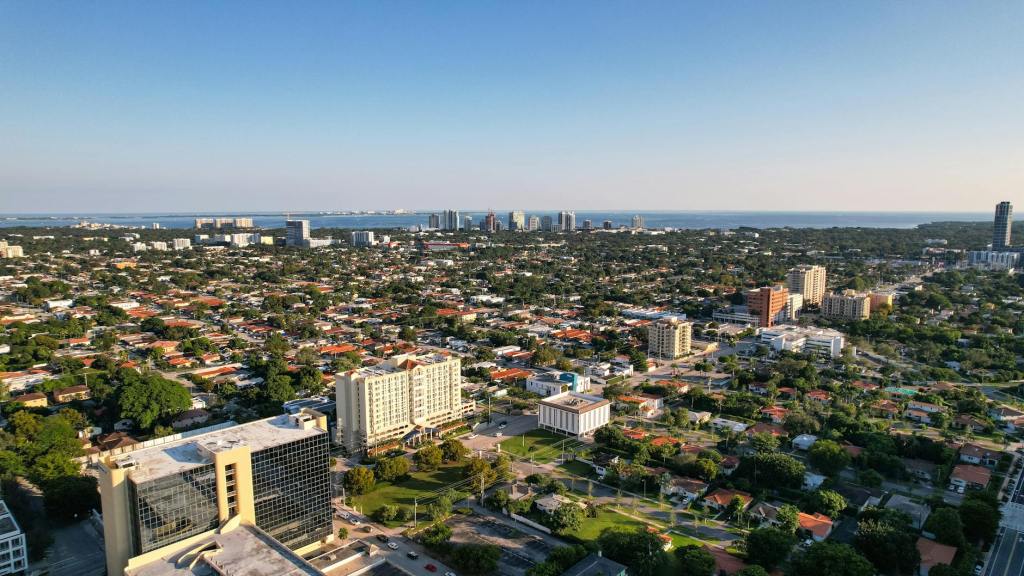
Why Miami’s Crackdown Matters
Miami’s idyllic beaches and nightlife make it a top short-term rental market—but booming tourism has triggered strict new rules. In 2023 alone, the city issued over 1,200 violations to unlicensed rentals. Whether you’re hosting a South Beach condo or a Coral Gables guesthouse, here’s how to stay compliant.
1. The Permit Puzzle: What’s Required?
a. Miami-Dade vs. City of Miami Rules
- County-wide: All rentals under 6 months require a Tourist Development Tax (TDT) registration and business tax receipt.
- City-specific: Miami Beach, Coconut Grove, and other zones ban rentals under 30 days entirely (with few exceptions).
b. The «Safe Harbor» Test
To qualify for legal operation, your property must:
✅ Have no pending code violations
✅ Obtain a Certificate of Use (annual renewal)
✅ Pay 6% state sales tax + 6% local TDT
Pro Tip: Use Miami-Dade’s Rental Compliance Tool to check your address.
2. The Enforcement Crackdown
Recent changes you can’t ignore:
- Fines: Up to $20,000 for repeat offenders (e.g., fake «long-term rental» listings).
- Neighbor Alerts: Miami Beach now offers cash rewards for reporting illegal rentals.
- Platform Accountability: Airbnb must share host data with the county under Florida’s SB 280.
3. How to Protect Your Rental Business
a. For New Hosts
- Step 1: Verify zoning with Miami-Dade Zoning Atlas.
- Step 2: Apply for TDT + local permits (300–300–800 average cost).
b. For Existing Hosts
- Audit your listing: Remove any «under 30-day» language if in banned zones.
- Consider corporate rentals (30+ day leases exempt from tourist taxes).
4. The Future of Miami Rentals
With Miami’s affordable housing crisis, expect:
🔹 Stricter occupancy limits (e.g., 2 guests per bedroom max)
🔹 Mandatory safety inspections (fire alarms, septic checks)
Bottom Line: Miami’s short-term rental gold rush is over—but smart hosts who adapt will thrive. When in doubt, consult a local real estate attorney to avoid costly missteps.

 Miami Law